Allay: The Font with an Expressive-and-Edgy Soul
There are typefaces that whisper, and there are those that demand to be heard. Allay falls firmly into the latter category. It’s not just a display script; it’s a piece of raw creative energy, a digital artifact that feels like it was pulled directly from a gritty studio wall or a high-fashion mood board. The moment you see it, you understand its personality—it’s bold, unapologetic, and dripping with a rebellious spirit that bridges the gap between street art and polished editorial design. For anyone working in branding, music, apparel, or digital media, understanding a font like Allay is like finding a secret weapon for making a visceral impact.
Anatomy of a Rebel: What Makes Allay Tick
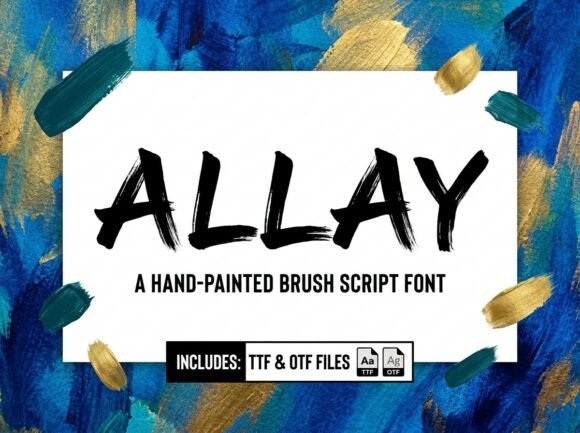
At its core, Allay is a premium display font characterized by its heavy illustrative weight and high-contrast letterforms. Look closer, and you’ll see the details that set it apart: the masterful, hand-painted brush strokes that define each character, complete with visible bristle textures that add an authentic, human touch. This isn’t a sterile, vector-perfect script; it’s a typeface with soul, where every curve and edge carries the energy of its creation. The "expressive-and-edgy" descriptor is spot-on—it feels dynamic and distinctive, perfect for projects that need to convey motion, attitude, and a break from the mundane.
This style makes Allay a natural fit for specific contexts. Think independent streetwear branding where the clothing tells a story of urban culture. Picture alternative music posters for bands that thrive on raw sound and visual intensity. Consider urban apparel logos that need to stand out in a crowded market, or high-impact social media headers designed to stop the scroll. Its visual weight and texture make it less suited for body text but phenomenal for headlines, logos, and short, punchy statements where personality is paramount.
Strategic Applications: Where Allay Truly Shines
Choosing a creative font like Allay is a strategic decision, not just an aesthetic one. Its influence extends far beyond how letters look on a page; it actively shapes brand perception and audience engagement. In logo design, for instance, using Allay can instantly communicate that a brand is contemporary, bold, and connected to urban or alternative cultures. It can make a small business look like an established player in the streetwear scene or help a musician’s brand feel immediately authentic and edgy.
For marketing and social media graphics, its high-contrast, textured forms excel at creating visual hierarchy. A headline set in Allay will draw the eye first, establishing the tone for the entire piece. It’s particularly effective in digital environments where screens can render its detailed textures sharply. However, readability considerations are key. Its strength is in short bursts—a powerful headline, a logo lockup, a product name. Pairing it with a clean, neutral sans serif font or a simple serif font for supporting text creates balance, allowing Allay to make its statement without overwhelming the viewer.
Practical Guidance for Using Allay in Your Projects
Integrating a distinctive typeface like Allay into your workflow requires some thoughtful evaluation. First, always consider your project’s core message and audience. Is the goal to convey rebellion, creativity, and urban flair? If so, Allay could be a perfect match. If the project demands subtlety, tradition, or ultra-clean minimalism, you might explore other options. Test it in context: mock up your logo, your poster layout, or your social media post. Does it enhance the message or compete with it?
Next, explore font pairings. Because Allay is so visually dominant, it works best when balanced with simpler typefaces. A geometric sans serif like Futura or a humanist sans serif like Gill Sans can provide a clean counterpoint. For a more layered editorial look, a classic serif font could add sophistication. Review the font’s included styles—does it come with alternates, ligatures, or stylistic sets that can add variety to your lettering? Finally, pay close attention to commercial licensing. Ensure the license covers your intended use, whether for physical products like apparel and packaging, or digital applications like websites and social media. A font is a key design asset, and proper licensing protects your brand identity and ensures professionalism.
In the end, Allay is more than just a collection of glyphs. It’s a tool for storytelling, a way to inject a project with a specific, powerful energy. Used wisely, it can transform a simple design into a memorable brand statement, connecting with an audience that values authenticity, dynamism, and a touch of rebellion. It’s a testament to how modern typography can carry immense personality, making it an invaluable asset in the right creative’s toolkit.