Lytta: The All-Caps Font for Unforgettable Branding
When you're working on a project that needs to make an immediate impact, the typeface you choose does a lot of the heavy lifting. You need something that doesn't just hold words, but gives them weight and character. That's where a font like Lytta comes in. It’s a decorative display font built to be the centerpiece of a design, not a supporting player. With its strong, artistic letterforms, it’s the kind of typeface that grabs attention and doesn't let go. For creators tired of defaulting to the same few fonts, Lytta offers a path to something more distinctive and memorable.
The Visual Character of Lytta
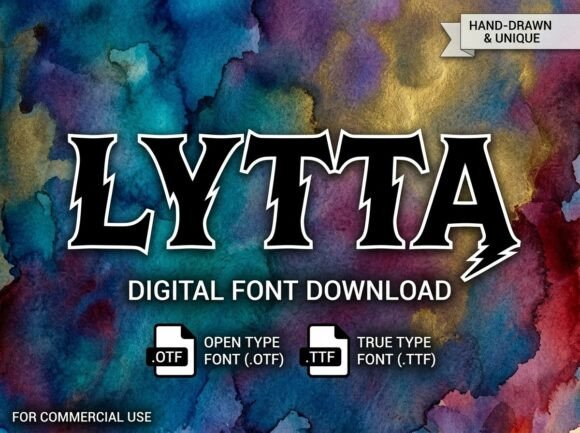
At its core, Lytta is an all-caps typeface, which immediately sets a specific tone. This isn't a font for writing long paragraphs of body text. Its strength lies in headlines, logos, and short, impactful statements. The design feels both modern and timeless, with a confident structure that avoids fleeting trends. Each letter is crafted with a sense of deliberate artistry, featuring unique details that give it personality without sacrificing clarity. It has the presence of a bold serif font but with a contemporary edge, making it versatile enough for a range of applications from high-end branding to creative editorial layouts.
The personality of Lytta is one of confident sophistication. It doesn’t shout; it commands. This makes it an excellent tool for projects where you want to establish a premium aesthetic. Think of a boutique hotel’s logo, the cover of a design magazine, or the packaging for a specialty coffee brand. In these contexts, Lytta does more than just display a name—it communicates a promise of quality and attention to detail. It’s a creative font that helps build a brand identity rooted in strength and style.
Putting Lytta to Work: Practical Applications
The true test of any design asset is how it performs in real-world scenarios. Lytta’s bold, all-caps nature makes it a powerhouse for specific types of projects. In logo design, it provides an instant foundation for a brand’s visual identity, especially for businesses in fashion, luxury goods, architecture, or gourmet food. Its strong character ensures the logo remains recognizable and impactful across various sizes, from a small favicon to a large storefront sign.
For packaging design, Lytta can be the difference between a product that blends in on the shelf and one that stands out. Use it for the product name or a key feature callout. Pair it with a simple sans serif font for the descriptive text to create a clean, professional hierarchy. The same principle applies to web design and social media graphics. A bold headline in Lytta can stop a user mid-scroll, while its distinct style can help create a consistent and recognizable brand presence across your digital platforms.
Beyond commercial use, this font is a fantastic resource for personal projects. Crafters and hobbyists can use it for creating custom wall art, wedding invitations, or scrapbook titles that have a polished, professional feel. Bloggers and publishers can leverage it for chapter headings or pull quotes in editorial design, adding a layer of visual interest to their layouts. The key is to use it where its strengths shine: in places that demand attention and convey a specific mood.
Pairing and Practical Guidance
Using a strong display font effectively often comes down to thoughtful pairing. Because Lytta has such a distinct personality, it works best alongside typefaces that provide contrast without competing. A clean, geometric sans serif font is a natural companion, offering excellent readability for body text while letting Lytta’s headlines take center stage. For a different feel, you could pair it with a simple, elegant script font for accents or secondary text in invitations or branding materials. The goal is to create a visual conversation between the fonts, where each has a clear role.
When you integrate Lytta into your workflow, you’ll receive both OTF and TTF files. The OTF file is ideal for professional design software like Adobe Illustrator or InDesign, as it often includes more advanced typographic features. The TTF file ensures compatibility across virtually all operating systems and applications, making it a reliable choice for any project. Remember, because it is an all-caps typeface by design, it’s specifically engineered for headlines, logos, and decorative initials. This focus is its strength, allowing each letter to be treated as a distinct graphic element.
Before committing to any premium font for a major project, always test it in context. See how Lytta looks with your chosen color palette and imagery. Check its legibility at the sizes you plan to use. Review the included license to ensure it covers your intended use, whether for personal projects or commercial client work. Taking these steps helps you make an informed decision and ensures the font becomes a valuable, long-term part of your design toolkit. Lytta isn’t just a typeface; it’s a strategic choice for anyone looking to elevate their creative work with a typeface that has real presence and personality.