Rocky: A Bold Display Font for Impactful Design
Understanding Rocky's Visual Personality
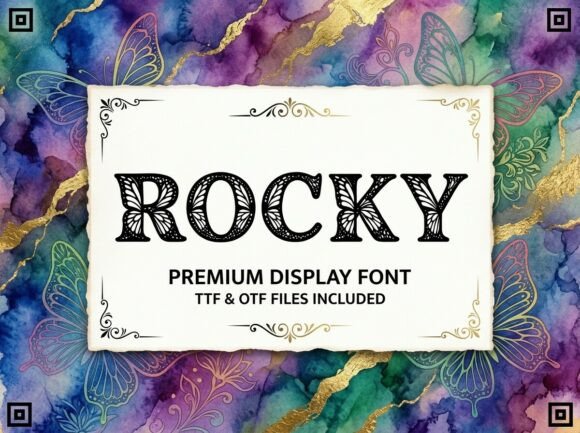
Rocky is a premium display typeface designed to command attention. This isn't a workhorse font for body text; it's a creative tool for moments where every letter needs to make a statement. Its character is defined by unique artistic elements—perhaps a subtle geometric flair, unexpected ligatures, or a distinct weight distribution that gives it a strong visual personality. The overall appeal lies in its confident, polished finish. It feels both modern and timeless, avoiding fleeting trends to offer a professional yet striking aesthetic. Rocky is the font you reach for when a standard sans serif or serif font won't capture the energy or sophistication your project demands.
Where Rocky Truly Shines: Practical Applications
The true value of a creative font like Rocky is measured by its versatility across real projects. Its all-caps design and decorative nature make it ideal for specific, high-impact applications. Think of it as your secret weapon for branding elements that need to be instantly recognizable and memorable.
Branding and Logo Design: Rocky is built for logo design. Its strong presence ensures a brand name stands out on business cards, signage, and websites. For entrepreneurs building a brand identity, it can set the tone for a modern, confident, and slightly artistic business. It works exceptionally well for boutique brands, creative agencies, artisan products, or any venture wanting to project strength and style.
Editorial and Packaging Design: In editorial design, Rocky excels as a headline font for magazine covers, feature article titles, or chapter openers in books. It draws the reader's eye immediately. For packaging design, it’s a game-changer. Imagine Rocky emblazoned across a craft coffee bag, a luxury candle box, or a specialty food label. It communicates quality and care, turning packaging into a key part of the product experience.
Digital Presence and Social Media: The digital world is noisy, and Rocky helps you cut through. It’s perfect for impactful web design hero sections, creating immediate visual hierarchy and guiding the visitor’s journey. For social media graphics, it makes quotes, announcements, and campaign headlines pop in a crowded feed. Its clean rendering ensures it looks sharp on screens of all sizes, from desktops to mobile devices.
Personal and Commercial Projects: Beyond commercial use, Rocky is a fantastic asset for personal creative projects. Use it for standout wedding invitations, milestone event signage, or personalized art prints. For crafters and hobbyists, it elevates DIY projects like custom apparel, posters, and digital scrapbooking. Its professional polish means the results look intentionally designed, not homemade.
Making Rocky Work for You: A Practical Guide
Choosing a font is a strategic decision. Here’s how to evaluate if Rocky is the right fit and how to use it effectively.
Evaluating Project Fit: First, assess your project’s needs. Rocky is an all-caps display font. This means it’s not suitable for long paragraphs or small body copy where lowercase letters aid readability. Its strength is in headlines, logos, and decorative initials. Ask yourself: does my project need a typographic centerpiece or a functional text font? If it’s the former, Rocky is a candidate.
Testing Font Pairings: No font is an island. Rocky will likely need to be paired with a more neutral font for supporting text. A clean sans serif font (like a geometric or humanist sans) or a classic serif font can provide balance and ensure overall readability. The key is contrast: pair Rocky’s decorative personality with a simpler, highly legible companion. Always test pairings in context—see how they look together on your actual mockups.
Reviewing the Included Files: You’ll receive OTF and TTF files. The OTF (OpenType Font) is the professional standard, offering advanced typographic features if available. The TTF (TrueType Font) ensures universal compatibility across all devices and software, which is crucial for web use and sharing files with clients or collaborators who may not have advanced design software.
Considering Readability and Licensing: While Rocky is designed for impact, always test its readability at the intended size and in the intended environment. Ensure the letterforms are distinct and clear. Finally, understand the licensing. The font files are for installation and use, but for any commercial project—whether a client logo, a product you sell, or marketing materials—you must have the appropriate commercial license. This protects you legally and supports the font designer’s work.
Rocky is more than just a collection of letters; it’s a design asset that brings energy and distinction. Used thoughtfully, it can become a cornerstone of your visual communication, helping your projects and your brand achieve the recognition they deserve.