Dreamy Garden: A Handwritten Font for Authentic Branding
In a digital world saturated with clean, geometric sans serif fonts and sharp serif typefaces, there's a growing need for typography that feels human. We crave connection, warmth, and a touch of imperfection. This is where Dreamy Garden, a modern handwritten font introduced by Timurtype Studio, finds its place. It’s not just another script font; it’s a carefully crafted tool for designers and creators who want to inject personality and authenticity into their work without sacrificing professionalism.
The Essence of the Font: Where Elegance Meets Organic Flow
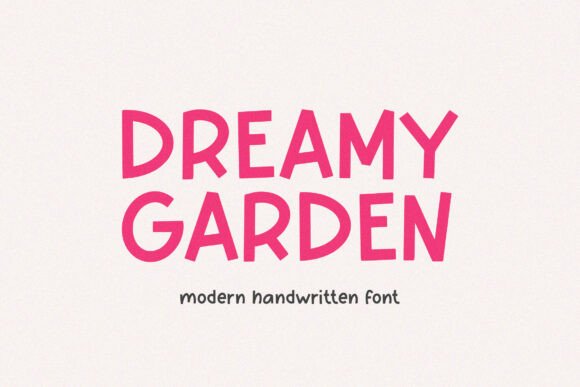
At first glance, Dreamy Garden presents a beautiful contradiction. It possesses the elegant, flowing curves you might expect from a formal script, yet it’s grounded by a natural, slightly relaxed rhythm that prevents it from feeling stiff or overly calligraphic. The letterforms have a soft, stylish look. The strokes vary gently in weight, mimicking the subtle pressure changes of a real pen on paper. This isn’t a rigid, uniform typeface; it’s a creative font with a soul.
The personality of Dreamy Garden is approachable, charming, and quietly confident. It feels personal, as if a friend with impeccable taste penned a note just for you. This makes it an incredibly versatile display font. It excels at catching the eye and conveying a specific mood—be it romantic, whimsical, sophisticated, or friendly. Its smooth handwritten aesthetic avoids the common pitfall of many script fonts that can become difficult to read at smaller sizes. The clarity of each letter has been prioritized, making it a practical choice for more than just a logo or a single headline.
Practical Applications: From Brand Identity to Digital Content
The true value of any premium font lies in its application. Dreamy Garden is a workhorse for projects where brand perception is key. For a small business owner crafting their brand identity, this font can become the cornerstone of their visual language. Imagine it on a boutique bakery’s logo, a wellness coach’s website headers, or a handmade jewelry brand’s packaging. It instantly communicates care, quality, and a personal touch.
For marketers and content creators, its utility is just as strong. Consider these real-world uses:
- Social Media Graphics: Use Dreamy Garden for quotes, announcements, and Instagram Stories to create a consistent, engaging aesthetic that stands out in a crowded feed.
- Blog and Editorial Design: A blog post title set in this font can draw readers in, while pull quotes can be highlighted to break up text and add visual interest.
- Invitations and Stationery: It’s a natural fit for wedding invitations, event announcements, and thank-you cards, offering a bespoke feel without the cost of custom calligraphy.
- Packaging and Product Design: On product labels, hang tags, or book covers, the font adds a layer of charm and perceived value that influences customer perception.
It’s important to remember that Dreamy Garden is a display font. Its strength is in headlines, logos, and short, impactful text blocks. For body copy, you’ll want to pair it with a highly legible sans serif font or a classic serif font. This contrast is a fundamental principle of good font pairing. The handwritten style of Dreamy Garden provides the personality, while a clean sans serif provides the readability and structure for longer paragraphs. This pairing creates a clear visual hierarchy, guiding the reader’s eye and making your layouts more professional and easier to navigate.
Integrating Dreamy Garden into Your Workflow
Adopting a new typeface into your projects requires a thoughtful approach. Before you commit, consider the core message of your project. Does the soft, organic style of Dreamy Garden align with your brand’s voice? For a tech startup focused on data security, it might be a mismatch. But for a florist, a travel blogger, or a life coach, it could be the perfect design asset.
Once you’ve decided it’s a good fit, take advantage of the included file formats. The OTF (OpenType) file is ideal for installation on your computer for use in design software like Adobe Illustrator or Canva. The TTF (TrueType) offers broad compatibility, while the WOFF files are essential for web projects, allowing you to use the font on your website for a cohesive web design experience.
A crucial step is to test the font with your specific content. Type out your actual headlines, your business name, or a key phrase you plan to use. See how the letters connect. Check the spacing. Evaluate its readability at the size you intend to use it. Because Dreamy Garden supports a wide range of multilingual characters, it’s a robust choice for projects with an international audience, ensuring consistency across different languages.
Finally, always be mindful of the licensing. As a commercial font, Timurtype Studio provides specific terms for its use. Whether you’re a freelancer creating a logo for a client or a publisher using it on a book cover, understanding the license ensures you’re using this beautiful creative font correctly and ethically. By thoughtfully integrating Dreamy Garden, you’re not just choosing a font; you’re adding a piece of crafted artistry to your work that can elevate its entire perception and connect with your audience on a more human level.