Fidra: The Bold Script Font for Handcrafted Branding
There’s a distinct feeling you get when you see a design that feels truly human. In a landscape often dominated by clean, geometric sans serifs and predictable serif fonts, finding a typeface that carries the warmth of a handwritten note or the confident stroke of an artist’s brush can be a game-changer. That’s precisely the space Fidra occupies. It’s not just another script font; it’s a design asset built to inject personality into projects that need to stand out from the digital crowd.
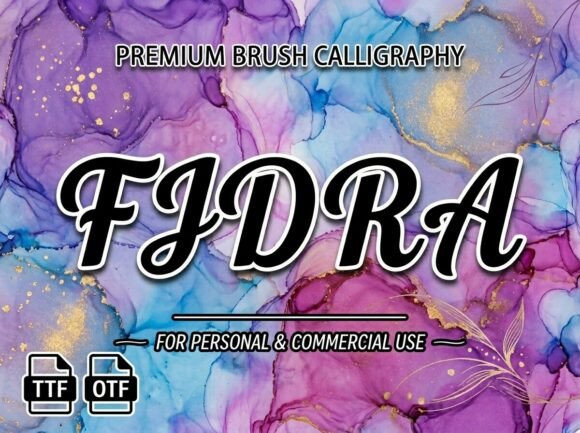
At its core, Fidra is a bold, fluid typeface. It mimics the natural rhythm of a master calligrapher, featuring heavy letterforms that feel approachable yet authoritative. The ink traps and stroke variations aren't just technical details; they contribute to a visual weight that anchors headlines and logos without feeling cluttered. If you have ever struggled to find a font that bridges the gap between "professional" and "playful," Fidra offers a compelling solution. It provides that artisanal quality often sought in premium font libraries but with the versatility required for modern commercial use.
Finding the Sweet Spot: Where Fidra Shines
Understanding where a font like Fidra fits into your workflow is key to getting the most out of it. Because of its bold nature and organic flow, it excels in specific areas of brand identity and marketing. It is particularly effective for short, punchy text where impact matters more than legibility over long paragraphs.
Consider the world of packaging design. If you are working on a product label for a craft brewery, an artisanal bakery, or a boutique skincare line, Fidra brings that necessary "small-batch" authenticity. It signals to the consumer that the product inside was made with care. The font’s heavy strokes ensure the product name pops on a crowded shelf, cutting through the visual noise that lighter, thinner fonts often get lost in.
Beyond physical products, social media graphics are a prime territory for this typeface. Platforms like Instagram and Pinterest are visual-first environments. A script font like Fidra works beautifully for overlay text on images or creating standout titles for blog headers. It grabs attention quickly—a crucial factor when users are scrolling rapidly through their feeds. It provides the "stop-scroll" factor that marketers are constantly chasing.
The Psychology of Style: How Fidra Influences Perception
Typography is rarely just about aesthetics; it’s about psychology. The fonts you choose dictate how your audience perceives your brand’s personality. A rigid, geometric sans serif might suggest efficiency and tech-savviness, but it can also feel cold. Fidra, with its handwritten characteristics, communicates warmth, creativity, and a human-centric approach.
When you use a font like Fidra for your logo design, you are making a statement about the nature of your business. It suggests that there are real people behind the brand who value craftsmanship. This is particularly effective for entrepreneurs and small business owners in the lifestyle, fashion, or creative industries. It helps build an immediate emotional connection with the viewer, fostering a sense of trust before they even read the full description of your services.
However, this emotional resonance comes with a responsibility regarding visual hierarchy. Because Fidra is a display font with a strong personality, it should generally be reserved for headlines, sub-headers, or call-outs. Trying to set a full page of body copy in a heavy script font will inevitably lead to readability issues. The strength of Fidra lies in its ability to act as a visual anchor. Pair it with a clean, neutral sans serif or a classic serif font for the body text. This contrast allows Fidra’s unique character to shine without overwhelming the reader, creating a balanced and professional layout.
Practical Application: Integrating Fidra into Your Projects
If you are considering adding Fidra to your design toolkit, it’s worth thinking about the practicalities of implementation. As a premium font, it usually comes with features that free fonts lack, such as alternate characters, ligatures, and extended language support. These extras are vital for achieving that authentic, handcrafted look rather than a repetitive, "stamped" appearance.
When testing font pairings, look for opposites that attract. Since Fidra has a high visual weight and organic curves, try pairing it with a geometric sans serif for a modern look, or a transitional serif for a more editorial vibe. For example, a wedding invitation design might use Fidra for the couple's names paired with a delicate serif for the details. Conversely, a streetwear brand logo might stack Fidra over a bold, blocky sans serif to create a dynamic tension between the rebellious script and the structured text.
One of the most common questions regarding commercial fonts involves licensing. If you plan to use Fidra for client work, merchandise, or digital products, always verify that your license covers commercial use. Most reputable foundons offer different tiers—desktop, web, and app licenses. Ensuring you have the correct license protects you and your client legally and ensures the type designers are compensated for their craftsmanship.
Final Thoughts on Versatility and Value
Ultimately, Fidra is about versatility within a specific niche. It is a tool for adding a dose of personality to modern typography. Whether you are designing a logo for a new startup, creating engaging headers for a blog, or mocking up merchandise for a creative campaign, this typeface offers a reliable way to convey handcrafted quality.
It bridges the gap between the casual nature of a handwritten font and the structural integrity required for professional graphic design. By using it strategically—focusing on impact areas rather than dense text—you can leverage its bold strokes to create designs that feel both timeless and contemporary. For designers, marketers, and creators looking to break away from the standard sans serif monotony, Fidra provides a vibrant, energetic alternative that resonates with audiences looking for authenticity.