Longhair: A Fluid Script Font for Modern Luxury
There's a certain magic in a design element that feels both timeless and utterly contemporary. It’s the kind of detail that stops a scroll, holds attention, and communicates a feeling before a single word is read. In the world of typography, achieving this balance is the mark of a truly exceptional typeface. This is where Longhair enters the conversation—not as just another script font, but as a sophisticated tool for creators who understand the power of nuanced elegance.
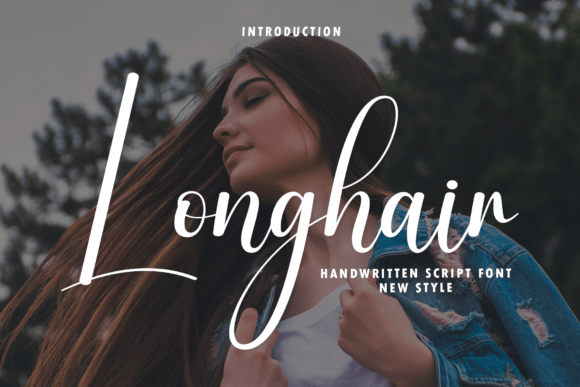
At its core, Longhair is an elegant and fluid handwritten font. Its character stems from its graceful, flowing strokes that mimic the natural rhythm of a confident hand. The letters connect with a seamless, organic motion, creating a sense of intimacy and artistry. This isn't a rigid or overly formal calligraphy; it's a modern typography piece that breathes. The lines have a beautiful variation in thickness, adding depth and a tactile quality that feels personal and handcrafted. It possesses a quiet confidence, making it a perfect display font for projects that aim to feel luxurious, intimate, and thoughtfully curated.
Where Longhair Truly Shines
The true test of a creative font is its application across diverse projects. Longhair’s personality makes it exceptionally versatile within specific, high-impact contexts. Its fluid nature is ideal for any medium where emotion and sophistication are key.
For brand identity, particularly in the luxury and lifestyle sectors, Longhair can become the cornerstone of a visual system. Imagine it as the primary logotype for a bespoke jewelry brand, a high-end spa, or an artisanal perfumery. It immediately sets a tone of exclusivity and refined taste. In packaging design, it can elevate a product from ordinary to special, turning a simple box or label into a piece of keepsake stationery.
In editorial design, this font is a secret weapon. Use it for elegant chapter headings in a cookbook, for pull quotes in a lifestyle magazine, or for the title page of a wedding portfolio. Its presence adds a layer of editorial authority and aesthetic pleasure. For digital creators, Longhair is invaluable for social media graphics. It can transform a quote graphic for Instagram, create stunning titles for Pinterest pins, or add a personal signature to YouTube thumbnails, helping to build a recognizable and beautiful feed.
Of course, its most natural habitat is in stationery and event branding. For wedding invitations, save-the-dates, and thank-you cards, Longhair provides the perfect blend of formality and personal touch. It feels ceremonial without being cold, making it a staple premium font for stationers and event planners.
Integrating Longhair Into Your Design Workflow
Adopting a new font is a strategic decision. Here’s how to approach Longhair to ensure it enhances your project rather than just decorating it.
Evaluating the Fit: Longhair communicates luxury, femininity, intimacy, and modern elegance. If your project’s core message aligns with these traits—whether it’s a boutique hotel’s website, a photographer’s branding, or a cosmetic line’s packaging—it’s likely a strong fit. Conversely, it would be out of place for a tech startup’s annual report or a children’s toy brand.
Mastering Readability and Hierarchy: As a display font, Longhair is designed for impact, not for body text. Its greatest strength is in headlines, logos, and short, prominent phrases. Using it for long paragraphs would compromise legibility. The key is to create a clear visual hierarchy. Pair it with a clean, neutral sans serif font for supporting text. For example, a Longhair headline over a paragraph set in a simple sans serif like Helvetica or Lato creates a beautiful contrast that is both readable and visually dynamic. Alternatively, pairing it with a classic serif font like Garamond can create a more traditional, literary feel.
Testing Font Pairings: Before committing, test Longhair with your chosen body font at actual size. Look at the spacing, the x-height, and how the two typefaces interact. Do they complement each other or compete? A good pairing should feel balanced, with each font playing a distinct role.
Understanding the Commercial License: For entrepreneurs and small business owners, understanding licensing is non-negotiable. Longhair is a commercial font, meaning it requires a license for use in projects that generate revenue—like logos, product packaging, or paid client work. Ensure you purchase the correct license (e.g., desktop, web, or app) for your specific use case. This not only keeps you legally compliant but also supports the type designers who create these valuable design assets.
In practice, think of Longhair not as a standalone solution, but as a key ingredient in a larger recipe. Its effectiveness comes from how it’s combined with other elements—color, imagery, and complementary typography—to tell a cohesive story. When used with intention, it doesn’t just make a design look good; it makes it feel unforgettable.